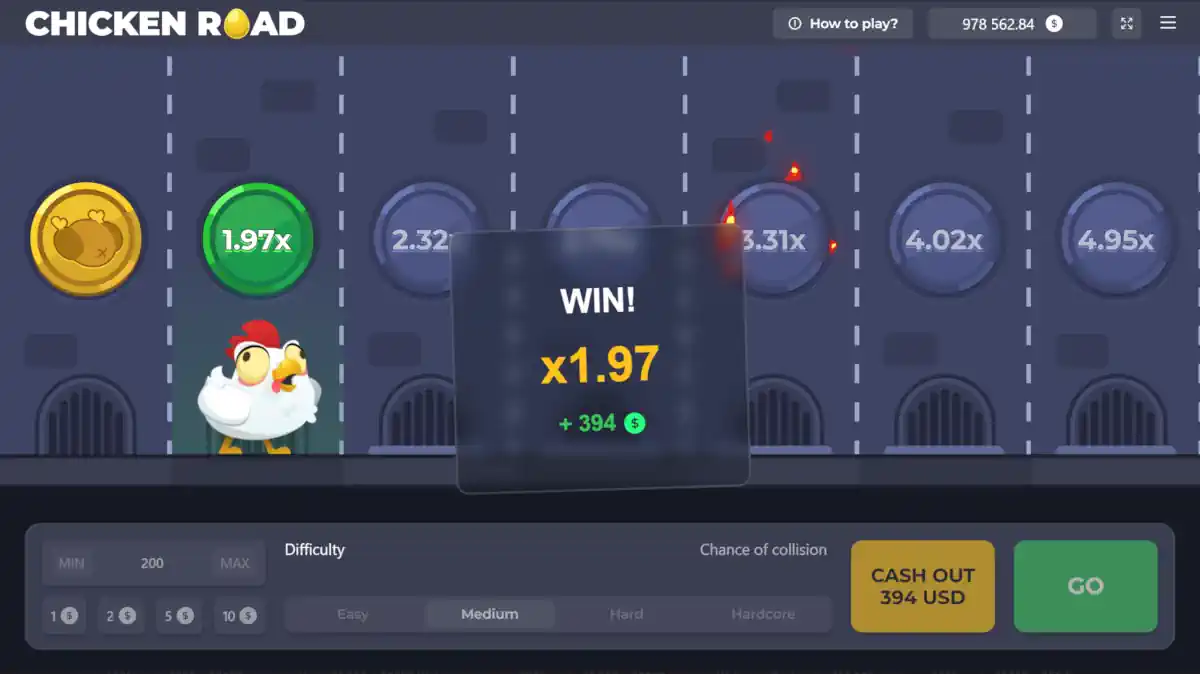
In the gameplay of the Chicken Road Game, emotional control can be the distinction between triumph and defeat. Players often face intense pressure, resulting in frustration and anxiety that cloud their judgment. Comprehending how emotions influence choices is crucial for success. Techniques like deep breathing can assist, yet many gamers still struggle to maintain their composure. Exploring the subtleties of emotional strength reveals greater understandings into gamer ability and illuminates the difficulties they encounter.
The Role of Emotion Regulation in Game Success
Although many players focus on strategies and techniques to succeed in the game of Chicken Road, emotional control has a crucial part in achieving success. Controlling one’s feelings enables players to steer through high-pressure scenarios, rendering them more resistant to setbacks. When anxiety or frustration occurs, maintaining calm facilitates better choices, improving performance. Players with robust emotional control often adapt their tactics effectively, refining their gameplay rather than succumbing to impulsivity. This inner balance cultivates a optimistic attitude, enabling players to see chances among chaos. Although strategic abilities are fundamental, they’re often undermined by emotional upheaval. Ultimately, developing emotional strength not only enhances gameplay but encourages a stronger connection to the game experience, laying the foundation for long-term achievement and fulfillment.
![Chicken Road 2 Gioca Soldi Reali & Demo con Bonus [year]](https://chicken-road-2.com/wp-content/uploads/2025/05/chicken-road-2-italiano.png)
Common Emotive Difficulties Encountered by Players
Players often encounter numerous emotional challenges while participating in the Chicken Road Game, impacting their overall experience and performance. Anxiety about making the incorrect decisions can lead to hesitation, impairing their ability to react quickly. Frustration may arise from repeated failures, creating a cycle of negative emotions that hinder focus. Additionally, players often grapple with peer pressure, feeling compelled to match the boldness of others, which can cloud judgment and provoke hasty decisions. Fear of embarrassment plays a significant role; the possibility of public failure can be paralyzing. Together, these emotional hurdles shape the gameplay experience, underscoring the importance of recognizing and addressing them for enhanced performance and enjoyment in this high-pressure environment.
Techniques to Maintain Composure During Gameplay
While maneuvering through the unpredictable challenges of the Chicken Road Game, Chicken Road Financial Information, maintaining composure becomes vital for players seeking to improve their performance. Techniques to nurture this emotional control include deep breathing exercises to ground oneself amidst the chaos. Players should also visualize success, focusing on achieving definite goals rather than fixating on obstacles. Regular practice in mindfulness can help build emotional resilience, allowing for quicker recovery from stressors during gameplay. Establishing a pre-game routine creates familiarity, reducing anxiety and boosting confidence. Additionally, developing a supportive social network within the gaming community provides encouragement, helping players feel less isolated. By utilizing these strategies, players sharpen their focus, ultimately cultivating a competitive edge in the thrilling world of the Chicken Road Game.
The Impact of Emotions on Decision-Making
Emotions significantly influence decision-making, particularly in high-stakes environments like the Chicken Road Game. Players often struggle with fear, excitement, or anxiety, which can blur judgment and affect strategic choices. When adrenaline surges, for instance, individuals may act rashly, favoring immediate gains over considered outcomes. Conversely, calmness can improve focus, allowing participants to evaluate risks and benefits more effectively. Emotional responses also determine how players see their opponents; a confident demeanor might intimidate, while visible nervousness can incite aggressive behavior. Recognizing these emotional shifts is crucial for mastering gameplay. By grasping their emotions and their impact on decisions, players can maneuver through the complexities of the Chicken Road Game with greater understanding, fostering a more strategic and informed approach to each interaction.
Building a Positive Mindset for Enhanced Performance
A positive mindset greatly boosts performance in the Chicken Road Game, as it allows individuals to deal with uncertainties with resilience and confidence. Players who develop optimism are more likely to welcome challenges rather than withdraw when faced with demanding situations. This mindset promotes adaptability, allowing them to recalibrate strategies quickly when obstacles arise. Furthermore, maintaining focus on realistic goals improves decision-making clarity, minimizing the tendency to yield to anxiety or negative thoughts. Encouragement from peers can further strengthen this positive outlook, creating an environment conducive to growth. Ultimately, by fostering a constructive mental structure, players not only boost their performance but also enrich their overall gaming experience, turning potential setbacks into valuable learning opportunities.
Conclusion
To sum up, managing emotions proves essential for achievement in the Chicken Road game. Players who effectively manage their emotions can navigate risks and make improved decisions, enhancing their overall performance. By utilizing techniques like deep breathing and visualization, individuals can conquer common challenges and foster resilience. Ultimately, developing a positive mindset not only transforms setbacks into valuable lessons but also strengthens their ability to embrace the unpredictability of the game, resulting in a more rewarding experience.